

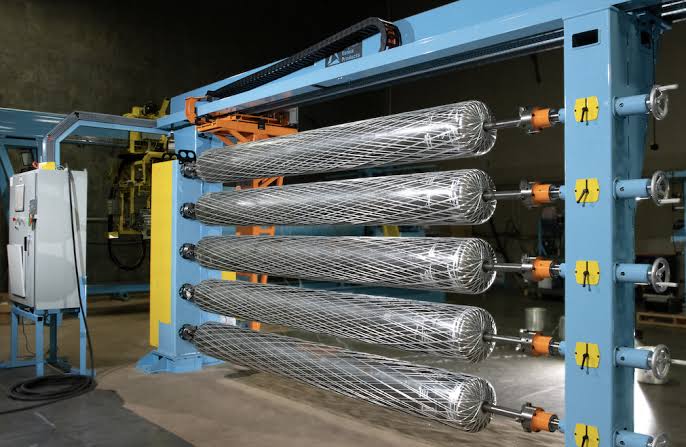
Application guide
Vinyl Ester Resin for Filament Winding
A buyer-selection guide for the TDS-listed use of Vinyl Ester Resin in filament-winding processes. Confirm the complete process and finished-component requirements separately.
Published product data for a documented process category.
What manufacturers build
Why this material suits the work
Required resin characteristics
- The documented liquid-resin viscosity and relevant product data
- The actual process, reinforcement and finished-component requirement
- Any service medium, concentration, operating temperature and project specification
- Finished-system verification or testing requirements
- The required documentation, quantity, packaging and delivery route
Process context
Advantages
- Uses a process category explicitly listed in the Vinyl Ester Resin TDS
- Makes the published typical viscosity easy to verify
- Keeps liquid-resin data distinct from process and finished-component performance
- Prompts buyers to communicate the information needed for a useful RFQ
Common products
- FRP components where filament winding is specified
- TDS-listed FRP tanks, chemical storage vessels and pipelines where the project specifies filament winding
Common questions
Yes. It is listed in the product TDS. The TDS does not establish that the resin is suitable for every winding line, component design or finished-system requirement.
It is a typical liquid-resin viscosity at 25°C in the TDS. Buyers should review it with the required process and product specification rather than treating it as a universal process setting.
No. The finished FRP system also involves reinforcement, construction, thickness, surface system, cure state and the relevant tested configuration. See what Vinyl Ester Resin is and what its product data does not establish.
No. Those are operational fabrication decisions outside this buyer-selection guide. Request and review the applicable technical documentation for the actual manufacturing system.
Share the finished component, the specified process, any service requirement, required documentation or testing, quantity, packaging and delivery location.
Need Vinyl Ester Resin for a specified filament-winding process?
Request a quote with the component, process requirement, technical-document need, quantity and delivery location.
Contact Samrat FRP Traders